

In times of crisis, every moment is crucial, and access to timely medical care can mean survival or demise. Air Ambulance Services have become as a key component in emergency healthcare, providing rapid transport for patients who need immediate attention. These expert medical teams are equipped to respond to emergency scenarios in isolated regions or during major crises where land transport may be hindered. Their rapid reaction and distinctive abilities transform the realm of emergency medicine, providing hope to those in urgent distress.
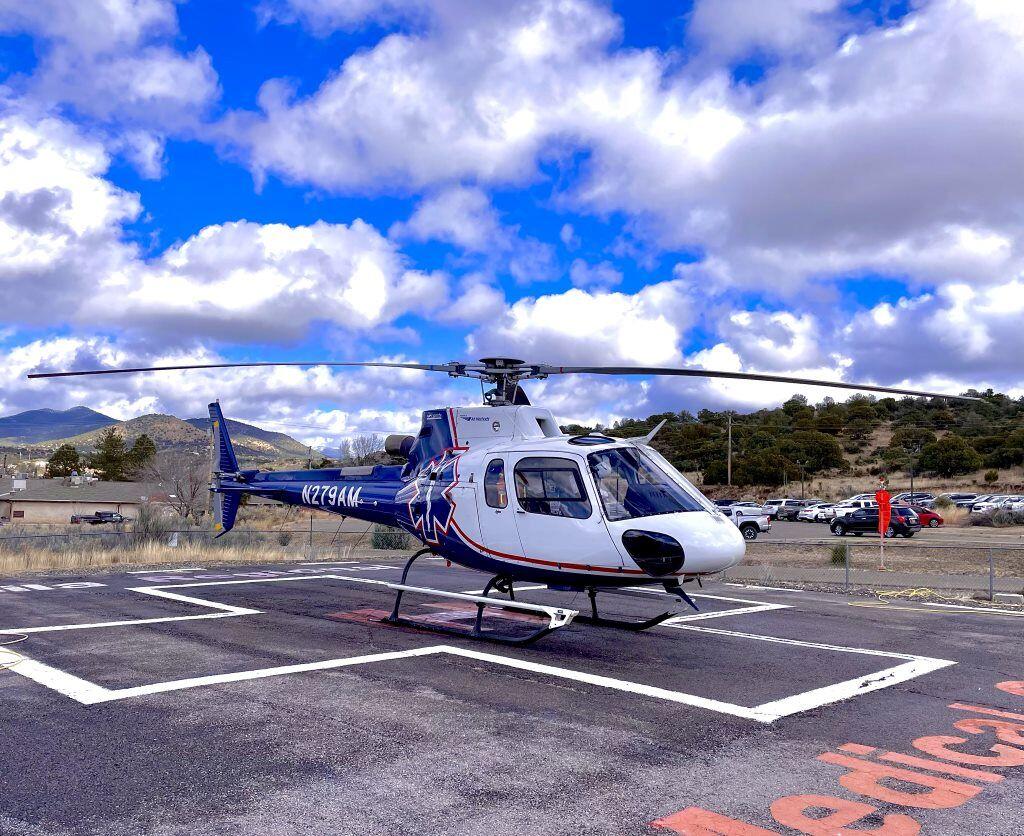
With cutting-edge tools and highly trained medical personnel, Air Medic Services not only move patients but also provide critical assistance en route to medical facilities. The ability to bypass congestion or terrain challenges allows these helicopter emergency services to reach victims more rapidly than traditional emergency services can. This innovative approach to emergency medicine is redefining how we perceive life-saving interventions, illustrating that when it comes to rescuing individuals, the skies truly have boundless potential.
The Rise of Air Medic Services
The growth of Air Medic Services has transformed the landscape of emergency care, particularly in regions where conventional ground transportation may be lacking. Increased demand for rapid medical response has emphasized the need for quick and effective interventions during life-threatening situations. As communities expand and the complexity of healthcare needs evolve , air medical services have become an crucial component of emergency health systems, ensuring that patients receive care as fast as feasible .
Innovations in aviation technology and medical equipment have allowed Air Medic Services to operate at greater capacity. Helicopters and fixed-wing aircraft can cover difficult terrains, arriving at remote locations that might otherwise be be inaccessible . This capability not only decreases transport times but also increases the chances of positive outcomes for patients undergoing life-threatening emergencies. With highly trained medical personnel on board, these services provide instant care during flight, bridging the gap between the incident scene and hospital facilities.
In addition , the increase of Air Medic Services has been strongly shaped by partnerships among government, healthcare agencies, and private entities. These partnerships have led to improved funding and resource allocation, allowing for improved training of personnel and revamped fleet maintenance. As AC service Cape Coral recognize the value of quick access to medical help, the presence of air ambulances is becoming more and more commonplace , establishing their role as vital lifelines in emergency medical care.
Key Benefits of Aerial Medical Transportation
One of the main benefits of air medical transport is the quickness at which patients can be relocated to emergency care centers. In crisis scenarios where every second counts, air ambulances can considerably reduce travel durations compared to ground transport. This rapid response can mean the difference between survival and loss of life, especially for patients suffering from severe trauma or medical emergencies requiring immediate attention.
Another advantage is the ability to remote locations. Air medical services can reach patients in remote areas where conventional ground ambulances may encounter difficulties due to rugged landscapes or adverse weather. By overcoming these barriers, air medical transport provides timely care to individuals who might otherwise experience wait times in receiving necessary medical services, ensuring that help arrives when it is most needed.
Moreover, air medical services are equipped with state-of-the-art medical technology and staffed by highly trained professionals. This ensures that patients receive a excellent of care during transport, including critical support and monitoring as needed. The ability to provide critical interventions en route allows for stabilization of the patient’s condition, enhancing the likelihood of positive outcomes upon arrival at medical facilities.
Challenges and Prospects of Air Medic Services
In spite of the noteworthy benefits provided through air medic services, numerous challenges persist that can hinder their effectiveness. One of the primary issues is the high operational costs associated with maintaining helicopters and specialized medical staff. These expenses can restrict the availability of air ambulances, especially in rural areas where such services are essential. Furthermore, the legal framework governing air medical transport can differ significantly between regions, impacting service consistency and response times.
A further challenge is the alignment between air medic services and ground emergency responders. Inefficient communication systems can result in misunderstandings or delays in patient care, which may compromising outcomes. Additionally, inclement weather conditions can hinder flight operations, making it vital for air medic teams to have alternative strategies in place to ensure timely transportation and care for patients. Overcoming these collaboration issues is necessary to maximizing the potential of air medic services.
Looking to the future, developments in technology may help transform air medic services. The integration of advanced telemedicine and real-time data sharing could enhance decision-making and enable better pre-hospital care. Furthermore, the development of more affordable and effective aircraft could broaden access to air medical services in underserved areas. As the demand for quick and effective emergency care continues to grow, the evolution of air medic services will be vital in addressing public health needs and boosting patient outcomes.